Finances
How Credit Utilisation Impacts Your Credit Score (And How to Fix It)
A high credit limit doesn’t mean you should use it all. Learn how credit utilisation affects your UK credit score and how to keep it low.
Advertisement
Why Credit Utilisation Matters More Than You Think for Your Credit Score
If you’ve ever peeked at your credit report and spotted the term “credit utilisation” buried among numbers, you’re not alone.
Many people breeze past it, unaware of its direct effect on their financial lives. That one number, though, quietly shapes how lenders see your borrowing habits and trustworthiness.

Understanding credit utilisation unlocks a practical insight: it shows not just what you owe, but how responsibly you use your borrowing capacity. This subtle measure can be a key reason for a sudden jump or drop in your credit score. Lenders use it when deciding if you’ll reliably pay back what you borrow.
As you read on, you’ll find practical strategies, real-world analogies, and actionable steps to manage your credit utilisation effectively.
Explore each section for insights tailored to simplify this crucial but often misunderstood aspect of personal finance.
Grasping the Basics of Credit Utilisation Sets the Groundwork for Action
To take control of your credit score, start with understanding credit utilisation itself. It’s the ratio between what you owe and the total credit you could use.
This detail matters because it tells lenders about your borrowing behaviour right now, not just in the past.
Keeping one eye on your credit utilisation can help you avoid hidden pitfalls. While a zero balance may seem perfect, lenders like to see some activity.
Just as a car at idle isn’t tested on the road, unused credit tells them little about your financial habits.
Why Credit Utilisation Isn’t Just a Percentage
People might treat credit utilisation as a flat percentage. But timing your payments affects what score bureaus see. Paying balances early could mean your lender reports less, helping your rating.
Picture two friends with the same credit limits. If one always pays off right before the report date, their credit utilisation measured seems lower—even if they spend similarly through the month.
So, checking exactly when your provider reports balances can give you a real edge. Ask, “When do you send my details to the credit bureau?” That answer helps you time payments.
Differentiating Between Overall and Per-Card Utilisation
Credit utilisation matters both in total and on each account. For example, a high balance on one card—even with low use across all cards—can trouble lenders, who see risk in single-card buildup.
If you’re using 70% of one card’s limit but 10% overall, lenders might flag the individual card for overuse. Spreading balances evenly, when possible, reshapes those impressions.
Keep an eye on both calculations in your monthly budgeting. Most credit monitoring tools show both numbers—use them to balance payments and manage perceptions.
| Term | Definition | Why It Matters | Next Step |
|---|---|---|---|
| Credit Utilisation | Amount used vs limit | Key part of credit score | Keep below 30% if possible |
| Reporting Date | When your activity is shared | Determines what gets seen | Time payments before this date |
| Individual Card Utilisation | Use of each card limit | High use flags risk | Spread balances or pay down |
| Overall Utilisation | All cards combined | Shows general borrowing habits | Balance across cards |
| Available Credit | Total you can borrow | Higher limits relax ratio | Request increase strategically |
Recognising Credit Utilisation Leverage Points Boosts Your Score’s Potential
Improving your credit score starts with knowing which tools and changes influence credit utilisation most. Adjustments here impact your profile in ways lenders quickly notice and value.
Gaining awareness of these levers equips you to make decisions that aren’t just reactive, but proactive, driving sustained long-term improvement in your financial profile. Implement changes steadily for a healthier credit history.
Key Leverage: Lowering Balances
Target paying down high balances first. High utilisation on any account overshadows positive behaviour elsewhere. Focus on the most-used credit lines for immediate score benefit.
- Pay down the most-used card first to lower prominent utilisation seen by creditors. This change gets reported quickly, improving perceptions.
- Set up automatic overpayments on regular expenses so your balance starts shrinking every pay cycle, making improvements consistent and easy.
- Time extra payments before your lender reports balances to ensure a lower number is what they tell the bureaus.
- Check which cards charge the highest interest—prioritise those for repayment, reducing overall debt more efficiently and enhancing credit utilisation.
- Use windfalls, like tax rebates, directly for debt reduction; the immediate drop in utilisation is reported, often within the next billing cycle.
Regularly review your balances as they fluctuate throughout the month. Little by little, each payment brings your numbers closer to the target range.
Strategic Leverage: Using Limit Increases
Ask your provider for a credit limit increase if you’re managing existing debt responsibly. More available credit automatically lowers your utilisation percentage, without new spending.
- Wait until your balances are low enough—don’t request an increase when you’re near or at the limit, as that signals distress.
- Gather evidence of your responsible usage, such as recent statements, to strengthen your request with the credit provider.
- After approval, avoid increasing spending just because of the higher limit. Maintain current habits to keep utilisation down.
- Know this request may trigger a credit check, so only try it when you won’t apply for major loans in the same season.
- Check your provider’s terms: some allow you to request increases online, others require a call—use whichever approach they prefer to avoid friction.
The combination of lower balances and higher limits recalibrates your credit utilisation quickly, sometimes improving your score within a few weeks.
Examining Your Credit Utilisation: Real-World Behaviours and Triggers That Shape Your Profile
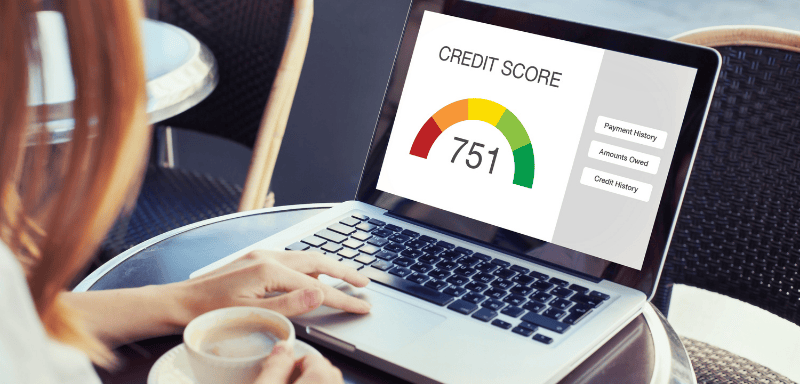
Analysing credit utilisation habits in detail ensures you avoid surprises on your credit report and stay ahead of negative trends. Awareness enables timely action when changes occur, such as major purchases or recurring bills.
Digging into specific behaviours means you know what triggers lenders’ caution, preparing you to catch and reverse negative patterns early. Self-monitoring becomes automatic and far less overwhelming with a defined rhythm.
Tracking Account Usage: Setting a Watchful Routine
Schedule regular log-ins to your credit card app or website. Check your current balance, available credit, and next reporting date. Mark these on your calendar, so they’re always clear.
Adopt a “pay as you go” approach: whenever a major purchase posts, review utilisation immediately. If it tips you past 30%, prioritise repayment or shift some of the spend to another card if possible.
Embrace alerts or summary emails from your provider—these can land in your inbox before you even remember to check, catching spikes in credit utilisation early.
Responding to Unexpected Utilisation Spikes
When life surprises you with extra expenses—think home repairs or car emergencies—credit utilisation can suddenly jump. Set a rule to tackle these increases within the next pay cycle.
Use balance transfers strategically: only transfer enough to lower the maxed card into a healthier range, not to create more available spending power overall.
Avoid making minimum payments in months with surprises. Instead, pay extra on the card that’s now above your target utilisation limit, signalling to lenders you take sudden changes seriously.
Practical Steps for Managing Credit Utilisation Every Month
Adopting practical routines for managing credit utilisation keeps your financial life on a steady path. Establish clear habits to avoid accidental overuse or missed improvement opportunities on your credit report.
Simple check-ins and minor course corrections each month free you up from emergency fixes, letting you shape your credit profile with calm confidence. Start with small adjustments until the routine feels second-nature.
Monthly Checkpoints: What to Track
Set reminders just after each billing cycle: review your statement, note the reported balance versus your limit, and log your utilisation. Use a notebook or spreadsheet for trends.
Compare this month’s percentages against your long-term goals. If you see a gentle rise after a holiday or trip, adjust your budget for the next month’s repayment plan.
Look for upcoming big-ticket expenses, like holidays or insurance payments, and move those to months when overall spending is lower—keeping your credit utilisation steady and predictable all year.
Finding the Balance: Not Too Low, Not Too High
A zero balance sounds safest, but lenders want to see some managed use. Aim for a Goldilocks approach: regular use below 30% per card, with full payment by the due date.
Spread major purchases over two cards so neither crosses the caution line. If your limit is £2,000, avoid letting any balance go above £600 at any statement date.
Pretend your cards are tools for building, not just spending: balanced use, regular returns, and careful storage after every project keep their shine in lenders’ eyes.
Understanding Long-Term Credit Utilisation: Building Endurance and Resilience in Your Financial Record
Focusing on credit utilisation for months, not just weeks, makes long-term score improvements stick. The routine creates resilience, helping you weather both planned and unplanned expenses without drama.
Tracking this metric closely works like maintaining a healthy garden—consistent watering and pruning keeps things thriving, and quick correction stops a small weed from spreading out of control.
Anticipating Life Changes and “Utilisation Drifts”
Major transitions—like moving house, changing jobs, or having a child—usually increase credit utilisation temporarily. Prepare by building a repayment cushion in the months ahead.
If utilisation drifts above your target during these phases, write a short action plan: step up repayments, pause non-essential spending, and set a target date for correction.
Monitor whether your credit limits have changed as well—sometimes providers reduce limits based on external factors, spiking your utilisation percentage without new spending. Respond quickly by reducing balances further.
Building Positive History Through Consistent Habits
Lenders look for stability across time. Demonstrate this by never skipping monthly reviews and keeping your utilisation calm during periods of stress. Reliable, measured action shows maturity.
If you always pay down seasonal spikes within two months, lenders see responsible recovery—a point in your favour during both automated score reviews and manual checks for major loans.
Celebrate small milestones, like six months of keeping each account below 30%. These routines quietly build the positive history underlying strong credit scores for years to come.
Recognising and Avoiding Credit Utilisation Missteps Protects Your Score
Spotting missteps before they grow serious keeps your credit utilisation—and your broader profile—in the healthy range. By knowing which habits raise red flags, you can swiftly steer back on course.
Staying vigilant about the most common pitfalls ensures that temporary setbacks don’t become lingering problems with long-lasting effects on your credit score and your borrowing options.
Trouble Spots to Watch
Don’t close old credit cards abruptly, even if you rarely use them. This slashes your available credit, raising your overall credit utilisation overnight, without any new debt.
Routinely running your card up near the limit, even if you pay it off each month, can make utilisation look high if the balance is reported before payment clears. Know your billing cycle dates.
A big one-off purchase right before a statement can linger on your record for weeks if not cleared quickly—always build repayment into your monthly cycle for large spends.
Positive Habits That Counteract Slips
Setup spending alerts for each card that notify you when you approach 25% of the limit. Adjust use when buzzed—instead of after things have gone too far.
Request small credit limit increases periodically on cards you use responsibly. This softens the impact of surprise purchases or emergency expenses.
When you catch a spike, transfer a small balance from a maxed card to one with a low balance, smoothing utilisation without racking up extra interest or opening a new account.
Steering Your Future: Continual Credit Utilisation Awareness Gives Lasting Results
A steady focus on credit utilisation, from tracking to targeted adjustment, gives you a stable foundation for every major purchase and financial goal. Each smart move compounds, protecting and building your credit history, month after month.
This awareness delivers more than a better score—it furnishes readiness for life’s curveballs, whether you’re planning to buy a home, finance a car, or simply stay content with good financial options.
Grow your confidence by sticking to these routines, and remember: credit utilisation is your score’s most visible signal to lenders. The more you manage it, the stronger your financial life becomes.
Trending Topics

Together Second Charge Loan Review: Non-standard properties!
Discover the flexibility and advantages of the Together Second Charge Loan in our review. Learn about accommodating non-standard properties!
Keep Reading
Amazon Barclaycard Credit Card: Shop Smart and Get Rewarded
Discover everything about the Amazon Barclaycard Credit Card: a no-annual-fee option packed with rewards for UK Amazon shoppers.
Keep Reading
Virgin Atlantic Reward Credit Card: Earn Virgin Points on Every Purchase
Buckle up and discover in this full review why the Virgin Atlantic Reward Credit Card is a top-notch pick for stacking up Virgin Points!
Keep ReadingYou may also like
Marbles Credit Card: No annual fee!
See our Marbles Credit Card review to learn how you can use it to build your credit score and manage your finances with ease!
Keep Reading
Vanquis Credit Builder Credit Card: Boost Your Credit with Flexible Limits!
The Vanquis Credit Builder Credit Card is a tool designed to help you improve your credit score with responsible usage. Check its features!
Keep Reading
Barclaycard Platinum Credit Card review: Long interest-free!
Uncover the pros and cons of the Barclaycard Platinum Credit Card in our comprehensive review. No annual fee and 0% intro interest!
Keep Reading