Finances
Hard vs Soft Credit Checks: The Difference People Miss
Ever been afraid to apply for credit? Understanding hard vs soft credit checks can help you protect your score.
Advertisement
Applying for Credit? Here’s the Difference Between Hard and Soft Checks
Ever wondered why credit checks sometimes leave a mark and other times slip by unnoticed? The details matter, and small distinctions can impact your finances much more than you’d expect.

Credit checks play a central role in everything from applying for a mobile phone contract to securing a mortgage. Despite this, confusion about their types remains widespread and costly for many.
This article will walk you through the nuts and bolts of hard and soft credit checks. Along the way, you’ll discover step-by-step ways to navigate your next financial application.
The Real Impact of Different Credit Checks On Your Financial Profile
Understanding credit checks gives you a clear advantage when applying for credit. Each type carries distinct consequences for your credit report and score, so knowing the difference is essential.
For most, a quick credit check seems harmless. However, even a single hard inquiry can nudge your score, while a soft check keeps your profile unchanged. This distinction matters when planning major purchases.
Visible vs Invisible: When Credit Enquiries Matter For Lenders
Hard credit checks show up on your credit report, alerting future lenders each time you formally apply for credit. In contrast, soft checks are invisible—perfect for personal eligibility searches where you don’t want a footprint.
Imagine browsing for a new car and comparing loan options online. Quotation searches usually use soft credit checks, so your history remains unaffected. Only when submitting a formal loan application does a hard check occur.
Confusing one for the other can mean unnecessary marks that stick for 12 months or longer. This mistake costs people better rates, especially if they’re shopping around actively.
Timing And Frequency: How Multiple Credit Checks Shape Your Record
Multiple hard credit checks within a short time frame can signal risk to lenders. Soft checks, performed by employers or yourself, don’t hurt your score even if completed repeatedly.
If you space out your credit applications and understand which checks apply when, you minimise unnecessary impact. For example, checking your own eligibility for credit cards relies solely on soft checks.
Some comparison websites highlight which providers will use soft checks during their search. Prioritising these helps safeguard your credit score during busy shopping periods or life events.
| Type of Check | Who Sees It | How It Affects You | Takeaway Action |
|---|---|---|---|
| Hard Credit Check | Lenders, Employers | May lower score slightly | Limit applications; plan before applying |
| Soft Credit Check | Only you | No effect on score | Use when shopping/pre-checking |
| Self-Enquiry | Only you | No negative impact | Monitor regularly to stay informed |
| Employer Check | Some employers | No effect on lending score | Be aware during job searches |
| Quotation Search | Only you | No record left on report | Great for rate comparison |
Pinpointing Which Checks Leave a Mark and How To Spot Them

Not all credit checks leave visible traces. Identifying which ones appear in your file stops unwelcome surprises and empowers you to act strategically with your credit.
Applications like credit cards, loans, or some insurance types rely on hard checks and always leave a trace. Meanwhile, checking your own score or using online eligibility tools deploys soft checks that never affect your standing.
Recognising Hard Credit Checks in Your Report
Hard checks appear as new entries each time you apply for a regulated financial product. They list the date, lender, and sometimes a reason—such as “credit card” or “personal loan”.
- Check your credit report after major applications. This quickly shows which lenders left marks and when.
- Review each mark’s date. If you find clustered hard checks, slow down on new applications for a while.
- Query marks from unknown companies or at suspicious times. These could be genuine errors and disputing them protects your record.
- Look out for a “hard search” or similar label. These indicate visible marks to lenders and can impact scoring briefly.
- Request a free annual credit report from all main UK credit reference agencies. Comparing between them reveals all hard credit checks.
Staying alert to new hard checks helps detect identity fraud or accidental errors before they escalate further.
Spotting Soft Credit Checks and Knowing When To Use Them
Soft credit checks aren’t visible to third parties. However, you’ll see them listed as “soft searches” or “quotation searches” when you request your own report.
- Run a personal eligibility check before any formal credit application. This confirms likely approval odds with zero risk to your file.
- Use price comparison websites for loan or energy quotes. They flag soft searches clearly, letting you compare rates safely.
- Check your credit score monthly rather than weekly. While soft searches are harmless, reviewing less often helps you spot major changes easier.
- Ask potential employers how they’ll check your history, especially in finance or security sectors. Most run only soft searches but confirm ahead of time.
- Monitor collectable records and data footprints from consumer websites. Some sites may use soft credit checks when you sign up—stay aware to avoid confusion.
Knowing when to expect a soft search lets you use credit checks proactively while guarding your score.
Practical Steps: Limiting Unwanted Impact From Credit Checks
By making informed choices, you can avoid dents in your credit score due to excessive hard checks. Simple changes to your approach ensure your record stays clean and boost your chances with lenders.
Spacing out your formal applications and using pre-qualification tools provide the best defences against accidental damage from credit checks.
Staging Applications For Best Results
Instead of applying for several credit products at once, leave a gap between each. Waiting even 30 days can prevent your report from looking desperate to lenders.
For example, after an unsuccessful card application, resist reapplying immediately. Take a cooling-off period to protect your future eligibility, since each hard credit check is flagged for review.
If you must apply to multiple lenders, cluster applications within a few days. Lenders viewing grouped checks may interpret these as rate shopping, rather than risky behaviour, providing some relief to your score.
Leveraging Eligibility Tools Before Going All In
Pre-qualification or eligibility tools online use only soft credit checks. These estimate approval odds before a hard enquiry happens, meaning you can walk away if the chances aren’t promising.
Experienced applicants use these tools to their advantage, only proceeding to formal applications after confirming a high likelihood of acceptance.
Think of eligibility checks as a dress rehearsal—no consequence for failure, but helpful insight for when you go onstage and submit for real.
Consumer Choices That Safeguard Credit Scores
Personal decisions around credit use directly affect your future options. Every credit check counts, so learning to manage visibility helps you secure better borrowing opportunities down the line.
Implementing smart prevention habits today preserves your score longer, opening doors when you need them most.
Managing Credit Applications Like Calendar Appointments
Just as you wouldn’t double-book work meetings, space out your credit applications in advance. Set reminders or mark potential application dates directly in your digital calendar.
This way, you avoid the temptation to apply for several loans or cards on impulse, keeping your credit file tidy and only updated when essential.
Approach each application as a step towards a bigger financial goal, rather than an isolated decision. This mindset yields more consistent, healthy results on your credit report.
Budgeting And Credit Checks Go Hand in Hand
By regularly reviewing your household budget, you limit unnecessary borrowing and the resulting credit checks that accumulate. Balancing income and planned expenses keeps you off lenders’ radars.
Whenever a new expense arises, consult your budget before seeking financing. If your cash flow permits, make purchases without credit, minimising recordable checks.
This approach not only streamlines your finances but prevents tactical errors, such as applying for store cards or short-term loans that would introduce hard checks without long-term benefit.
Why Context Matters: Credit Checks in Everyday Life Decisions
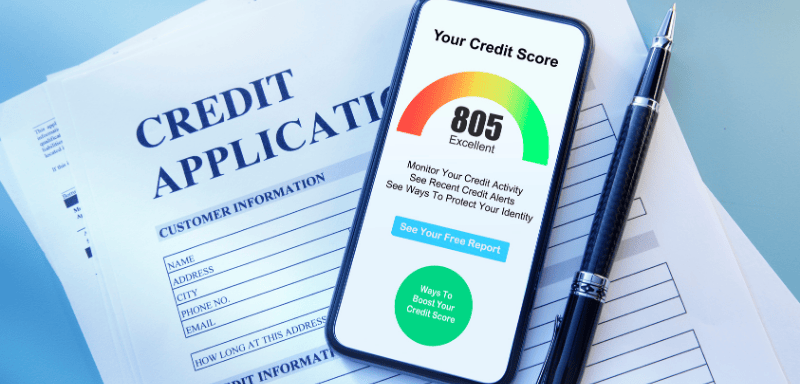
Credit checks affect much more than financial borrowing, impacting routine events like moving house, taking a new job, or buying appliances on finance. Interactions with these checks shape personal and professional milestones.
Learning the difference helps you interpret requests for credit checks and decide when to agree, decline, or ask further questions before they take place.
Renting, Employment, and Everyday Purchases All Involve Credit Checks
A letting agent checks your credit before approving a rental application, but only a soft search is needed for reference checks or tenant eligibility exercises.
Employers in regulated sectors may also run soft searches, ensuring your financial background is sound without affecting your lending profile.
Purchasing a smartphone on contract or pay-monthly TV package frequently triggers a hard check—worth noting before you sign up, especially if you’re planning significant credit moves soon after.
Self-Monitoring Encourages Better Decisions Around Credit Checks
Regularly review your credit report to watch for genuine errors or suspicious activity. If you spot unfamiliar hard checks, act promptly using dispute procedures on your credit reference agency’s website.
Set a quarterly reminder to download full credit reports and scan for unfamiliar entries. Early detection leads to quick correction and smaller long-term consequences.
If a lender schedules a follow-up check after a financing application, ask for confirmation of the check type. Requesting a soft search instead of a hard enquiry is sometimes possible, saving your score from avoidable hits.
Adjusting Strategies: Using Credit Checks Wisely At Every Life Stage
With major events like marriage, moving, or changing jobs, your approach to credit checks should evolve accordingly. Each new stage provides opportunities for smarter financial habits and long-term credit strength.
Strategically planning credit checks around key milestones ensures you’ll always have borrowing power when important needs arise.
Preparing For Major Life Changes That Trigger Hard Checks
Before a mortgage application or major move, freeze new credit applications for at least six months, minimising visible marks that could deter lenders.
Coordinate closely with your partner or co-applicant to align your approaches. Organise key documents, credit histories, and outstanding accounts before your next hard credit check.
After completion of life milestones, gradually reintroduce new credit cautiously, always assessing how each check will affect your overall standing and future plans.
Diversifying Credit Never Means Multiplying Checks Carelessly
Building a strong credit profile doesn’t require multiple hard checks in quick succession. Instead, diversify with intention, choosing one or two essential products at a time.
Consider secured credit cards, responsible use of existing overdrafts, or long-term loan products with soft enquiry pre-checks instead of repeated, risky applications.
Each credit product should serve a near-term functional need. Avoid impulsive sign-ups for retail credit or promotional offers, since each hard check follows you for months after.
Clear Steps: Making Credit Checks Work To Your Advantage
Credit checks influence everything from daily shopping to career advancement. Recapping the key details helps you navigate this world confidently and avoid stumbling blocks that trip up so many people.
Start treating each credit check as a measurable signal to lenders. Every soft inquiry gives you knowledge and flexibility, while every hard inquiry is a public commitment best reserved for major life moments.
Take control by monitoring your report, using eligibility tools, and applying for credit only when planned. Smart, aware management of credit checks remains one of the surest ways to secure your financial future.
Trending Topics
Loans 2Go Personal Loan Review: no fees charged!
Are you prepared to witness your long-awaited plans turn into reality? If so, count on Loans 2Go on this journey! Click here to find out how!
Keep Reading
Admiral Personal Loan Review: No Securities, Just Assurances!
Moments of tension called for good options. That's why we've brought Admiral Personal Loan for an open conversation with you
Keep Reading
Together Secured Homeowner Loan Review: No ERCs!
Discover the pros and cons of the Together Secured Homeowner Loan in our comprehensive review. See the flexibility and more!
Keep ReadingYou may also like
MBNA Long Balance Transfer Credit Card: Supercharge Your Savings
Discover the MBNA Long Balance Transfer Credit Card with an extra-long 0% APR on balance transfers—your ideal tool for debt consolidation.
Keep Reading
Barclays Personal Loan Review: It’s Worth Joining The Club
Explore the features of Barclays Personal Loan, a flexible financing option. Discover fixed rates, customized terms, and application methods
Keep Reading
HSBC Balance Transfer Credit Card review: combined monthly payments!
Check out our HSBC Balance Transfer Credit Card review with crucial info you should know. Find out about features, benefits, and more!
Keep Reading